
Knee Osteoarthritis
Specialist Physiotherapy for Knee Arthritis in our
Gosport , Emsworth and Clanfield clinics
Knee Osteoarthritis
Knee osteoarthritis is one of the most common causes of ongoing knee pain, particularly from midlife onwards. It can affect walking, stairs, kneeling, exercise, sleep and confidence in the knee.
Symptoms vary considerably. Some people notice a gradual increase in stiffness or aching over several years, while others first become aware of the problem after a painful flare-up or change in activity.
Osteoarthritis affects more than the cartilage alone. Changes can occur throughout the joint, while muscle strength, inflammation, previous injury, activity levels and the way the knee is being loaded can all influence how it feels.
This is important because there is often much more that can be improved than an X-ray report might suggest. At Solent Specialist Physiotherapy, our approach focuses on understanding what is driving your symptoms and helping you regain strength, movement and confidence.
What Actually Happens in Knee Osteoarthritis?
Osteoarthritis involves gradual changes within the cartilage, bone and other structures of the knee as the joint responds to load over time.
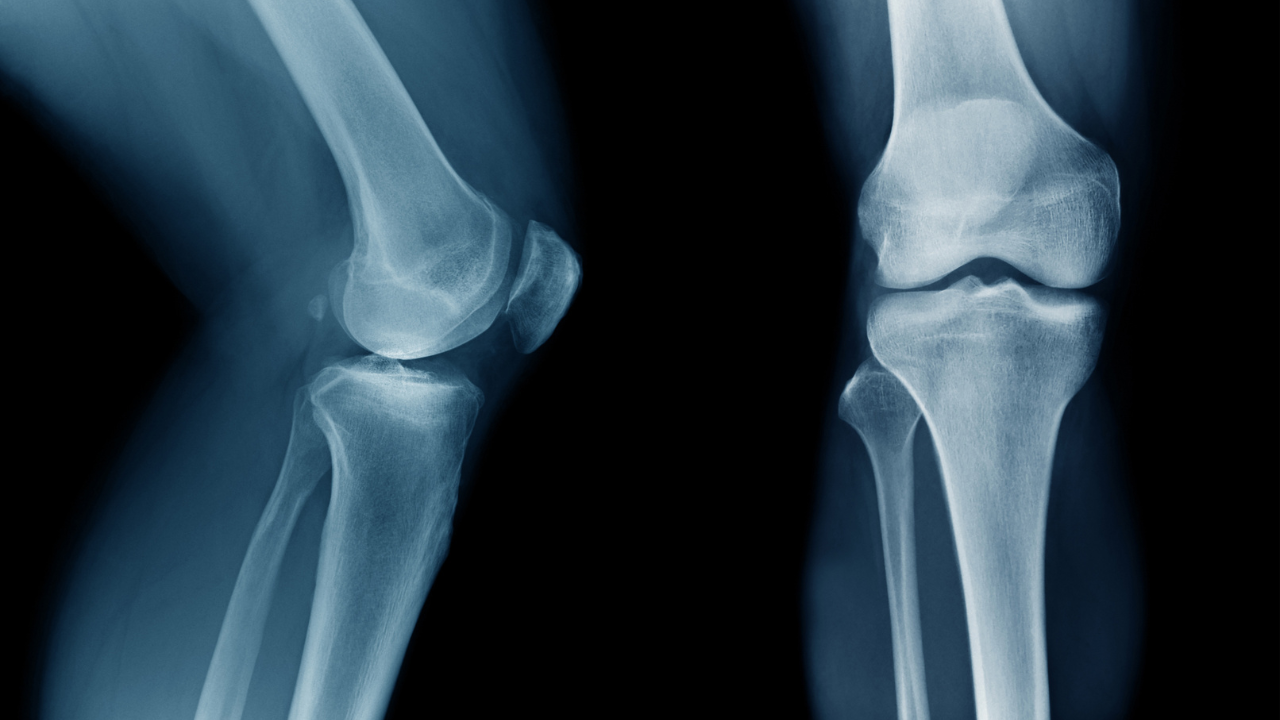
These changes are very common, and the appearance of the knee on an X-ray does not always reflect how painful or limited it feels. Some people have significant osteoarthritis on imaging with relatively manageable symptoms, while others experience considerable pain with less marked changes.
For this reason, we assess the person as well as the scan — looking at your symptoms, strength, movement, activity levels and how the knee is affecting your everyday life. This reflects current guidance that OA management should be based primarily on symptoms and physical function
How Knee Osteoarthritis Commonly Presents
Knee osteoarthritis often causes pain with activities such as walking, stairs, prolonged standing or getting up from a chair.
You may also notice stiffness after sitting or first thing in the morning, swelling during more irritable periods, reduced movement or a feeling that the knee is less reliable than it used to be.
Symptoms can fluctuate. A knee that has been reasonably settled may become more painful or swollen after a change in activity, a busy few days or sometimes without an obvious trigger.
These flare-ups can be frustrating, but they do not necessarily mean that the arthritis has suddenly progressed.
Knee pain can also overlap with meniscal symptoms, particularly where degenerative changes are present within the joint.
Learn More About Meniscal-Related Knee Pain →
Can I Keep Using My Knee?
For most people, staying active is an important part of managing knee osteoarthritis.
The key is finding the right balance between activity and recovery rather than avoiding movement altogether. Exercise and strengthening are central parts of recommended OA management and can improve pain and function.
Your programme should reflect your starting point and goals. That might mean becoming more comfortable on stairs, walking further, returning to the gym, getting back to golf or gradually returning to higher-impact exercise.
We can help you build strength and activity at a level the knee can tolerate and progress it as confidence improves.
Do I Need an X-ray or MRI?
Not everyone with knee osteoarthritis needs imaging.
For many people, the diagnosis can be made from the history and clinical examination. An X-ray can be useful when the diagnosis is uncertain, symptoms have changed significantly or the result would influence decisions about treatment or surgery.
MRI is usually reserved for situations where there is a specific question that an X-ray and clinical assessment cannot answer.
If you already have imaging, your specialist can review it with you and explain how the findings relate to your symptoms. NICE similarly advises that osteoarthritis is usually diagnosed clinically and that imaging is not routinely required.
Managing Knee Flare-Ups
Flare-ups are common in knee osteoarthritis and can temporarily make walking, stairs or exercise much more difficult.
During a flare, it can help to adjust rather than completely stop activity. This may involve temporarily reducing aggravating tasks, keeping the knee gently moving and then gradually rebuilding activity as symptoms settle.
Your specialist can help you understand what may have contributed to the flare and how to return to your usual activities without losing unnecessary strength or confidence.
Injection Therapy for Knee Osteoarthritis
Injection therapy can sometimes be useful when pain is significantly affecting everyday activity or making rehabilitation difficult.
The aim is to reduce symptoms sufficiently to make movement easier and create an opportunity to progress strength, activity and rehabilitation.
We offer a range of injection options within our specialist knee service. The most appropriate option depends on your symptoms, medical history, previous treatment and individual goals.
Considering an Injection?
Explore the corticosteroid, hyaluronic-acid and combined injection options we offer for knee osteoarthritis.
Explore Knee Osteoarthritis Injections →
When Might Knee Replacement Be Considered?
Knee replacement can be an excellent treatment when osteoarthritis is having a major impact on quality of life and appropriate non-surgical treatment is no longer providing enough improvement.
The decision is individual. It depends on how much the knee is affecting your life, what you want to be able to do and how you have responded to other treatment — not simply how the X-ray looks.
If you are unsure whether you are approaching that stage, specialist physiotherapy can help you understand the options, optimise strength and function and decide whether an orthopaedic opinion would be useful.
Current NICE guidance recommends considering referral for joint replacement when symptoms substantially affect quality of life and non-surgical management is ineffective or unsuitable.
Our Specialist Approach to Knee Osteoarthritis
There is no single rehabilitation programme that suits every knee.
Your assessment will look at your strength, movement, symptoms, activity levels and the things you want to be able to do.
Treatment may include progressive strengthening, advice around activity and flare-ups, guidance on returning to exercise and strategies to improve confidence in the knee.
Where appropriate, we can also discuss imaging, injection therapy and onward referral.
The aim is simple: to help your knee function as well as possible and keep you doing the things that matter to you.
Understanding Osteoarthritis
Knee osteoarthritis is one of several joint conditions managed within our specialist osteoarthritis service.
If you would like to understand more about osteoarthritis, how symptoms can change over time and the different treatment approaches available, visit our osteoarthritis overview.
Learn More About OsteoarthritisFrequently Asked Questions About Knee Osteoarthritis
Is it too late to start exercising if I already have arthritis?
Should I stop impact activities like running?
Will losing weight help?
Why does my knee sometimes suddenly flare up?
How do I know when it is time to consider surgery?
What does “bone on bone” mean?
Book a Specialist Knee Assessment
If knee osteoarthritis is affecting your mobility, confidence or quality of life, appointments are available within our specialist clinics. Assessment focuses on restoring strength, managing flare-ups and guiding informed decisions about long-term care.
Appointments for knee osteoarthritis are available within our specialist clinics in Gosport, Emsworth and Clanfield. Book online or contact us→.
Book Your Knee Specialist Appointment online
