
1st MTP (Big Toe) Osteoarthritis
Specialist Physiotherapy for Hallux Rigidus in Clanfield
Book a specialist foot appointment online1st MTP (Big Toe) Osteoarthritis
Osteoarthritis of the first metatarsophalangeal joint, commonly referred to as hallux rigidus, affects the large joint at the base of the big toe.
Although small in size, this joint plays a critical role in walking. During normal gait, the big toe must extend to allow efficient push-off. When movement becomes restricted, the mechanics of the entire foot and lower limb adapt.
Many people initially notice discomfort when walking uphill, accelerating pace, wearing certain footwear or during longer distances. Others describe progressive stiffness and difficulty bending the toe upward. Over time, a visible bony prominence may develop on the top of the joint.
Big toe osteoarthritis is not simply a matter of cartilage “wearing out.” It reflects long-term joint adaptation to load, footwear influence, foot mechanics and accumulated use. Pain is influenced not only by structural change, but by joint sensitivity, flare behaviour and mechanical demand.
Understanding this broader picture allows management to focus on function rather than fear.
What Actually Happens in 1st MTP Osteoarthritis?
The 1st MTP joint allows dorsiflexion of the big toe during the terminal phase of gait. When this motion reduces, load is redistributed across the forefoot.
In osteoarthritis, joint space may narrow, cartilage surfaces change and osteophytes often develop along the dorsal aspect of the joint. These bony adaptations can further restrict upward movement, creating a mechanical block.
However, structural severity on imaging does not always correlate with symptom intensity. Some individuals with marked radiographic change remain active with minimal discomfort. Others with modest findings experience significant stiffness and walking limitation.
Clinical decision-making should therefore prioritise symptom behaviour and walking function over imaging appearance.
How Big Toe Osteoarthritis Commonly Presents
Pain is typically localised to the top or inside of the big toe joint. It is often aggravated by push-off during walking, hill climbing, running or prolonged standing.
Stiffness is usually most noticeable in dorsiflexion. Some people adapt by externally rotating the foot during walking to avoid painful movement. Others shorten their stride or shift weight laterally, which may lead to secondary discomfort in the ankle, knee or hip over time.
Shoe discomfort is common, particularly with flexible soles or footwear that bends at the forefoot. A firm-soled or rocker-bottom shoe often reduces symptom provocation by decreasing required toe extension.
During flare episodes, swelling and joint sensitivity may increase, temporarily reducing tolerance for walking.
Movement and Load
A common misconception is that continued walking will worsen the joint.
In reality, graded walking is usually safe. The key is load modification rather than avoidance. Altering footwear, adjusting stride mechanics and improving foot and calf strength can reduce compressive forces at the joint.
Complete avoidance of toe extension often increases stiffness and reduces adaptability. Maintaining controlled mobility within tolerance helps preserve available range.
The aim is to optimise mechanical efficiency rather than eliminate movement.
Flare Management
Big toe osteoarthritis often fluctuates.
Flares frequently follow increased walking volume, travel, changes in footwear or impact activity. During a flare, the joint may feel more reactive and stiff.
Short-term modification of aggravating activity, footwear adjustment and maintaining gentle motion usually allow symptoms to settle. Prolonged immobilisation is rarely helpful and may increase long-term stiffness.
Understanding that flares represent temporary irritability rather than sudden deterioration is important in maintaining confidence.
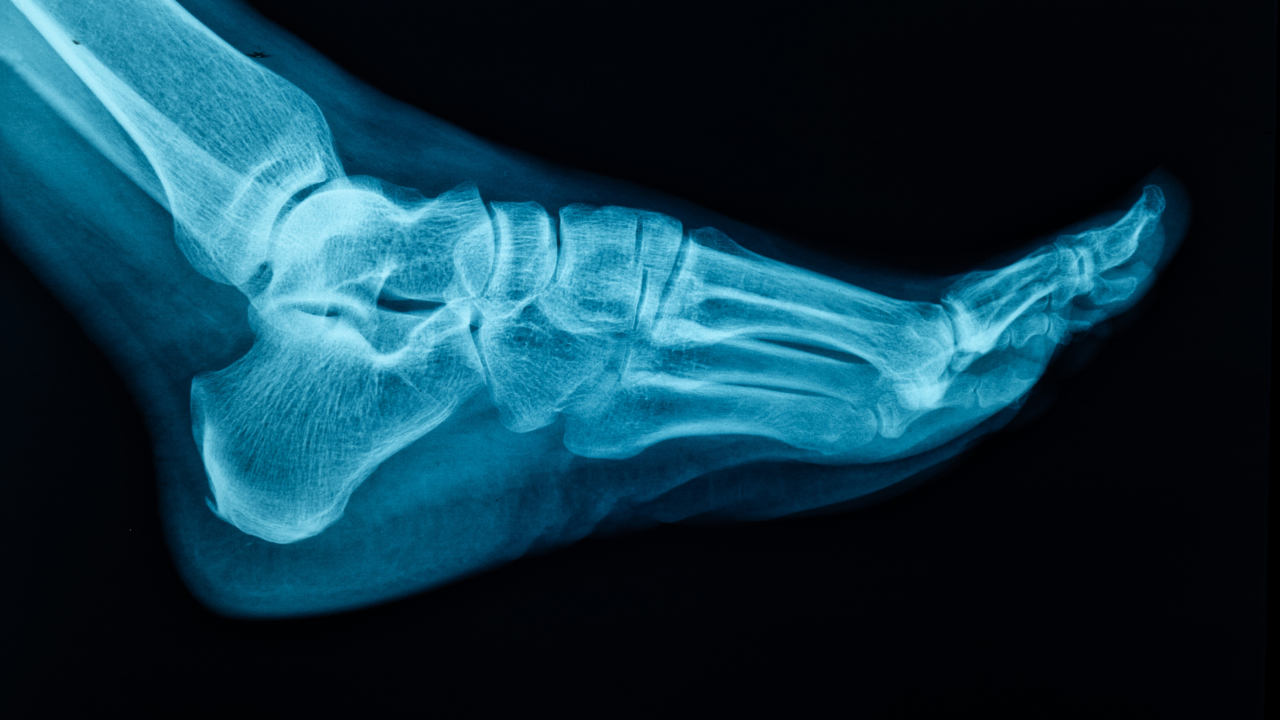
Imaging For Big Toe Osteoarthritis: When Is It Necessary?
Plain X-ray is typically sufficient to confirm 1st MTP osteoarthritis. It may show joint space narrowing, osteophyte formation and dorsal bony prominence.
MRI is rarely required unless symptoms are atypical or another diagnosis is suspected. Imaging should not be used in isolation to determine severity or dictate immediate intervention.
Radiographic grading does not automatically determine pain level, prognosis or need for surgery. Treatment decisions are based primarily on walking limitation, flare frequency and impact on daily activity.
Injection Therapy for Big-Toe Osteoarthritis
Corticosteroid injection can be a helpful option when big-toe osteoarthritis is particularly painful or irritable and symptoms are affecting walking, footwear or everyday activity.
Reducing pain can make movement more comfortable and provide a useful opportunity to improve walking tolerance, strength and activity.
Injection therapy is considered as part of the wider treatment plan alongside footwear, rehabilitation and the things you would like to get back to.
Considering an Injection?
Explore Big-Toe Osteoarthritis Injection Therapy →
When Is Surgery Considered for Big Toe Osteoarthritis?
Surgical options may be discussed when pain and walking limitation persist despite well-structured conservative management.
Procedures vary depending on stage of degeneration and may include cheilectomy, joint fusion or joint replacement. Joint fusion often provides reliable pain relief but eliminates movement at the joint, altering gait mechanics.
Surgery is rarely urgent. Many individuals manage effectively for extended periods with footwear modification, strengthening and load management.
Shared decision-making is central. The decision to proceed should align with symptom severity, lifestyle demands and informed understanding of outcomes.
Our Specialist Approach to Big Toe Osteoarthritis
Assessment focuses on walking mechanics, toe mobility, load distribution and footwear influence.
Management emphasises improving mechanical efficiency, preserving available range, strengthening foot and calf musculature and guiding long-term load planning. Where appropriate, we discuss orthotic strategies, injection options and surgical referral pathways.
The objective is to maintain confident walking and prevent secondary compensatory issues.
Understanding Osteoarthritis
1st MTP osteoarthritis forms part of our wider specialist osteoarthritis service. For a broader understanding of how osteoarthritis develops and how structured rehabilitation supports joint health across the body, you can explore our main osteoarthritis overview page.
Learn More About OsteoarthritisFrequently Asked Questions About Big Toe Osteoarthritis
Is hallux rigidus the same as bunion?
Why does walking uphill hurt more?
Will I eventually lose all movement?
Should I stop running?
Does footwear really make a difference?
Is fusion the only surgical option?
Book a Specialist Foot Assessment
If big toe osteoarthritis is affecting your mobility, confidence or quality of life, appointments are available within our specialist clinics. Assessment focuses on restoring strength, managing flare-ups and guiding informed decisions about long-term care.
Appointments for big toe osteoarthritis are available with Suzanne Gray, in our specialist clinic in Clanfield.
Book Your Specialist Foot Assessment Online
