Thumb and Finger Osteoarthritis
Osteoarthritis affecting the thumb base (CMC) and finger joints is one of the most functionally disruptive forms of arthritis — not because of walking or weight-bearing, but because of grip.
The thumb contributes a substantial proportion of overall hand function. When the carpometacarpal joint at the base of the thumb becomes symptomatic, simple daily tasks such as turning a key, opening jars, fastening buttons or lifting a kettle can become unexpectedly difficult.
For many people, symptoms begin gradually with intermittent discomfort during pinch or twisting tasks. Others notice increasing stiffness, reduced strength or visible joint change over time. Although commonly associated with ageing, this is not simply a process of “wearing out.” It reflects long-term adaptation within a joint that has been highly mobile and heavily loaded for decades.
Understanding this distinction changes the focus of treatment. The aim is not protection from damage, but intelligent support and restoration of function.
What Actually Happens in Thumb and Finger Osteoarthritis?
At the thumb base, the carpometacarpal joint allows the thumb to oppose, rotate and stabilise during pinch. It is a remarkably mobile joint and therefore exposed to significant mechanical demand.
Over time, joint surfaces may remodel. The body may form small bony enlargements and subtle shifts in alignment can occur. In the fingers, similar adaptive changes may affect the end joints or middle joints, sometimes resulting in visible nodal enlargement.
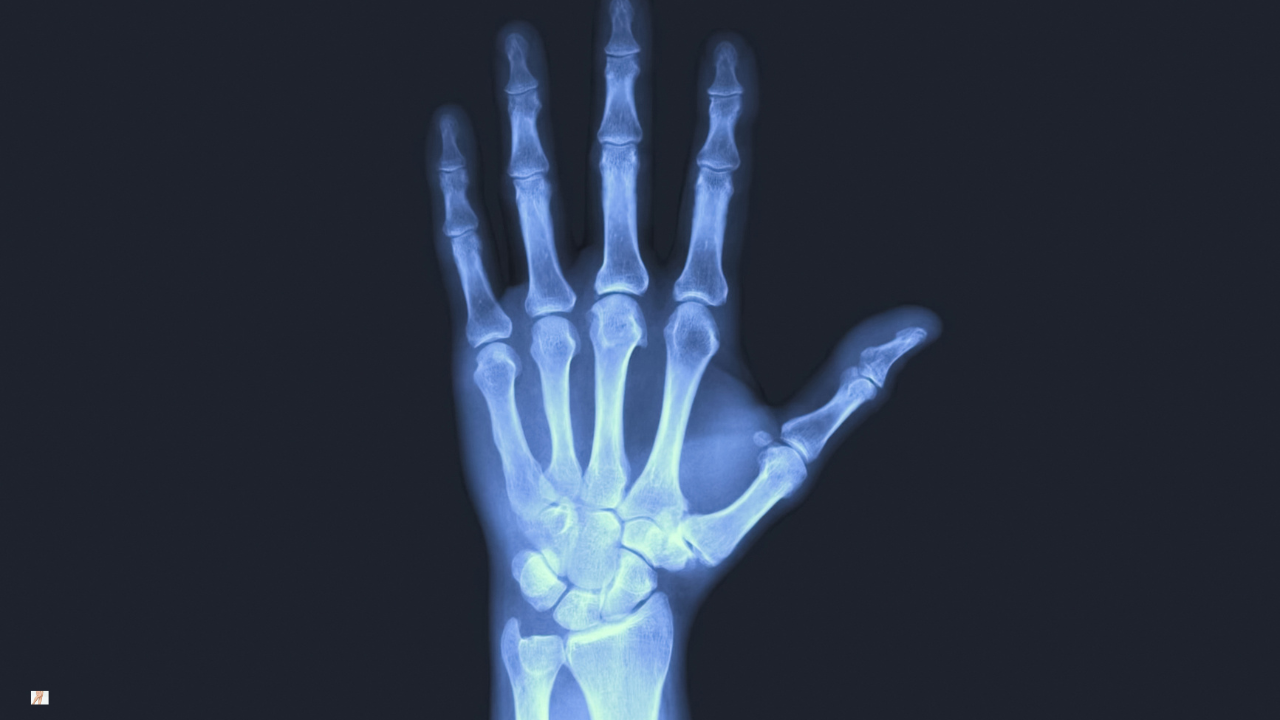
Importantly, structural change and pain are not perfectly linked. Some joints appear markedly changed on X-ray yet cause little difficulty. Others with modest imaging findings can be highly sensitive. Clinical decisions are therefore based on symptom behaviour and functional impact, not on radiographic language alone.
How Thumb and Finger Osteoarthritis Commonly Presents
Hand osteoarthritis is rarely linear. Symptoms fluctuate.
Flares often follow increases in hand demand, new repetitive tasks, prolonged gripping or sustained pinch activities. During these periods the joint lining becomes more sensitive and load tolerance temporarily drops.
This does not usually represent sudden structural deterioration. It reflects temporary irritability within a joint that has become sensitised.
Management during a flare focuses on calming symptoms while maintaining gentle mobility and avoiding complete withdrawal from use. Fear-driven rest often prolongs stiffness and reduces strength. Intelligent modification shortens recovery.
The Role of Strength and Stability
The small muscles surrounding the thumb and hand provide dynamic support to the CMC joint. When strength reduces, compressive forces within the joint may increase during pinch and grip.
Rehabilitation therefore centres on restoring thumb stabilisation, improving load tolerance and retraining efficient grip mechanics. The objective is not to eliminate all sensation immediately, but to improve resilience so everyday tasks become less provocative.
Confidence in using the hand is just as important as strength itself. Avoidance patterns often develop subconsciously. Reversing these patterns is a key part of specialist care.
Imaging for Thumb and Finger Osteoarthritis: When Is It Necessary?
A clinical assessment is often sufficient to diagnose thumb CMC and finger osteoarthritis. The pattern of pain during pinch or grip, localised joint tenderness and characteristic stiffness usually provide clear diagnostic direction.
Plain X-ray can confirm structural change within the joint. Findings may include joint space narrowing, osteophyte formation, subchondral sclerosis or altered joint alignment. In the thumb CMC joint, dorsal subluxation may be visible in more advanced stages.
However, imaging findings do not reliably predict symptom severity. Many individuals have clear radiographic osteoarthritis with minimal pain, while others experience significant functional limitation despite modest imaging change.
MRI is rarely required unless symptoms are atypical, inflammatory arthritis is suspected, or there is uncertainty regarding tendon or ligament involvement.
Imaging is most useful when surgical options are being considered or when the clinical picture does not follow an expected pattern. Treatment decisions should be guided primarily by functional limitation, symptom behaviour and patient goals rather than radiographic grading alone.
Splinting and Support
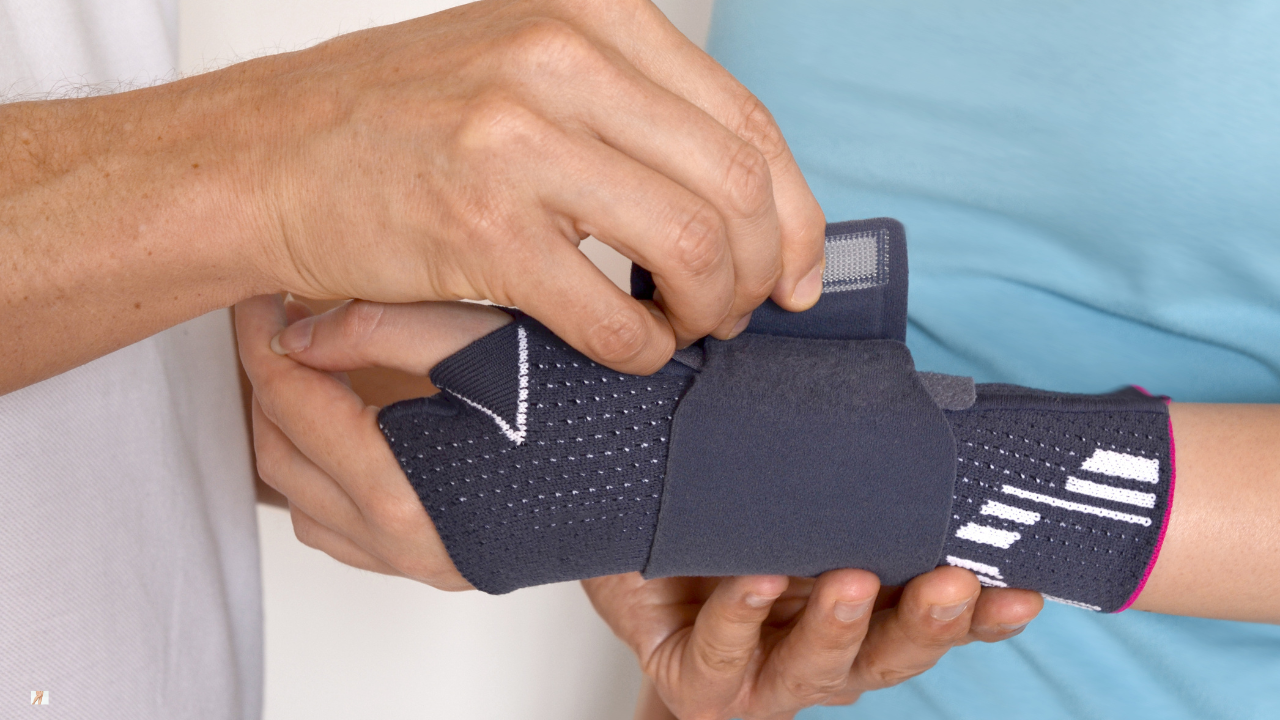
Thumb splints can reduce joint compression during painful phases and may provide meaningful short-term relief. They are particularly useful during flares or higher-demand tasks.
However, splints are supportive tools rather than corrective solutions. Over-reliance without strengthening may reduce muscular contribution over time. Decisions regarding splint use are individual and integrated within a broader rehabilitation plan.
Injection Therapy for Thumb and Finger Osteoarthritis
Corticosteroid injection into the thumb CMC joint can reduce inflammation and pain in selected cases, particularly where symptoms significantly limit daily function.
Relief varies between individuals and is typically temporary. Injections do not reverse joint adaptation. Their role is often to reduce pain sufficiently to allow meaningful rehabilitation and restoration of function.
Any injection decision should sit within a comprehensive management strategy rather than replace active treatment.
Considering an Injection?
Read more about corticosteroid injection therapy for painful thumb-base osteoarthritis.
Explore Thumb-Base Osteoarthritis Injection Therapy →
When Is Surgery Considered?
Surgical intervention for thumb CMCJ osteoarthritis is usually reserved for persistent, function-limiting pain that has not responded to structured conservative care.
Procedures may involve removal of the trapezium or reconstructive techniques designed to reduce pain and improve stability. Outcomes are often good in appropriately selected individuals, but surgery is rarely urgent.
Many people manage successfully for years with targeted strengthening, load modification and symptom guidance. Shared decision-making is central. The timing of surgical referral should align with symptom severity, lifestyle demands and personal priorities.
Our Specialist Approach to CMCJ & Finger Osteoarthritis
Management is tailored to the pattern and stage of your symptoms.
Assessment focuses on joint behaviour, grip mechanics, load tolerance and functional goals. Treatment emphasises progressive thumb stabilisation, task modification, flare planning and long-term resilience rather than passive protection.
Where appropriate, we discuss splinting, injection options and referral pathways. The aim is to preserve independence, maintain strength and support confident hand function.
CMCJ and finger osteoarthritis form part of our wider specialist osteoarthritis service. If you would like to understand more about how osteoarthritis develops across different joints and how structured rehabilitation supports long-term joint health, you can explore our main osteoarthritis overview page.
Understanding Osteoarthritis
Thumb CMCJ and finger osteoarthritis are two of several joint conditions within our specialist osteoarthritis service. If you would like to understand more about how osteoarthritis develops, why flare-ups occur, and how structured rehabilitation supports long-term joint health, you can read our overview on specialist physiotherapy for osteoarthritis.
Learn More About Osteoarthritis
Understanding Flare-Ups
Thumb and finger osteoarthritis rarely behave in a straight line. Symptoms often fluctuate.
A flare is a temporary increase in joint sensitivity. It may present as increased pain during pinch, visible swelling at the thumb base or finger joints, warmth, stiffness and reduced grip strength. Everyday tasks that are normally manageable can suddenly feel aggravating.
Flares are commonly triggered by increased hand demand. This may include prolonged gripping, repetitive twisting tasks, DIY work, gardening, extended writing, travel involving luggage handling, or changes in routine that increase pinch load.
Importantly, a flare does not usually indicate rapid structural deterioration. It reflects a temporary increase in joint irritability within a joint that already has adaptive change.
Understanding this distinction reduces fear and prevents overreaction. Complete avoidance often increases stiffness and weakness. Instead, management focuses on temporary load reduction, maintaining gentle mobility and gradually reintroducing strengthening once symptoms settle.
Calm, informed flare management is one of the most important components of long-term hand function.