
Meniscal Tears (Knee Cartilage Injury)
Specialist Assessment and Rehabilitation
in Gosport, Clanfield and Emsworth
Meniscal tears are one of the most common causes of knee pain and mechanical symptoms such as catching, clicking or occasional locking. The meniscus is a crescent-shaped cartilage structure within the knee joint that plays an important role in distributing load, absorbing shock and stabilising the knee during movement.
When the meniscus becomes irritated or torn, the knee may feel painful, swollen or mechanically restricted. Some people notice symptoms after a clear twisting injury, particularly during sport. Others develop symptoms gradually, often without a single identifiable incident.
At Solent Specialist Physiotherapy, meniscal injuries are assessed and managed within our specialist knee service by Band 8-level physiotherapists working at advanced level across both NHS and private practice. Accurate diagnosis is essential because meniscal symptoms can closely resemble ligament injuries, cartilage degeneration or patellofemoral joint irritation. Treatment therefore focuses not only on identifying the structure involved but also understanding how the knee behaves under load.
Why Meniscal Injuries Occur
The meniscus is exposed to significant mechanical forces with every step. As the knee bends and straightens, compressive and rotational loads pass through the joint. The menisci help distribute these forces across the joint surface, protecting the articular cartilage beneath.
When these forces exceed the tissue’s tolerance, the meniscus can become irritated or develop a tear. This may occur during sudden twisting movements where the knee rotates while the foot remains planted. Sports that involve rapid changes of direction such as football, rugby or skiing commonly produce this type of loading pattern.
In many individuals, however, symptoms develop more gradually. Over time the meniscus can become less resilient and small areas of fraying may develop. Everyday activities such as squatting, kneeling or rising from a chair can then provoke discomfort.
Importantly, meniscal changes are frequently seen on MRI scans even in people who have no knee pain. For this reason, the presence of a tear on imaging does not automatically mean the meniscus is responsible for symptoms. Understanding how the knee functions mechanically remains central to diagnosis.
Traumatic vs Degenerative Meniscal Tears
Meniscal tears are broadly divided into traumatic and degenerative types, and this distinction has important implications for management.
Traumatic tears usually occur in younger or more active individuals and are typically associated with a twisting injury. The knee may rotate while the foot is fixed on the ground, creating shear forces through the meniscus. Swelling and pain may develop relatively quickly, and some people recall a specific moment when the knee became painful or unstable.
Degenerative tears are more common from middle age onwards. In these cases the meniscus gradually becomes less robust and may develop small splits or frayed areas over time. Symptoms often appear without a clear injury and may be triggered by everyday movements.
Research has shown that degenerative meniscal tears are extremely common and frequently appear on MRI scans in people who have no knee pain. This means treatment decisions must always be based on symptoms and clinical examination rather than imaging findings alone.
The Role of the Meniscus in Knee Mechanics
The meniscus performs several important functions within the knee joint.
One of its primary roles is distributing load. Without the meniscus, forces passing through the knee during walking or running would be concentrated over a much smaller area of cartilage, dramatically increasing joint stress.
The meniscus also contributes to joint stability. Its shape deepens the contact between the femur and tibia, helping maintain alignment when the knee is bearing weight or rotating.
In addition, the meniscus acts as a shock absorber, reducing the impact transmitted through the knee during movement.
When the meniscus becomes damaged, these functions can be compromised. The knee may feel more sensitive to twisting or compression, and movement may become less efficient. Rehabilitation therefore focuses not only on reducing symptoms but on restoring muscular support and movement control so the joint can distribute load effectively again.
Common Symptoms of a Meniscal Tear
Meniscal tears often produce a recognisable pattern of symptoms. Pain is commonly felt along the joint line of the knee and may increase with twisting, squatting or kneeling.
Some individuals experience swelling within the joint, particularly after activity. Others notice stiffness or difficulty fully straightening the knee. Mechanical sensations such as catching, clicking or a brief feeling that the knee is stuck can also occur.
The severity of symptoms varies depending on the type and location of the tear as well as the level of irritation within the joint.
Specialist Assessment of Meniscal Injury
Diagnosing meniscal injury requires careful clinical assessment because several knee conditions can produce similar symptoms.
Assessment begins with a detailed history of how symptoms developed. Understanding whether pain followed a twisting injury, appeared gradually or was associated with mechanical locking provides important diagnostic clues.
Physical examination evaluates joint line tenderness, knee movement and mechanical behaviour. Specific clinical tests may reproduce symptoms if the meniscus is involved. Pain located just below the kneecap may instead be related to patellar tendinopathy, a tendon condition that responds to a different rehabilitation approach, you can explore patellar tendinopathy symptoms and management here→. Equally important is assessing how the hip, foot and overall lower limb mechanics influence knee loading.
This broader biomechanical assessment allows clinicians to understand why the knee became symptomatic and helps guide rehabilitation planning.
Conditions That Can Mimic Meniscal Tears
Several knee conditions can produce symptoms that resemble meniscal injury.
Ligament irritation, particularly involving the anterior cruciate ligament or medial collateral ligament, can create pain, instability and swelling within the joint especially after twisting. More information about ACL injury and rehabilitation can be found here→ Patellofemoral pain may produce discomfort around the front of the knee that worsens with squatting or stair use. Degenerative changes within the knee joint can also produce pain, stiffness and swelling that may resemble meniscal symptoms. You can read more about knee osteoarthritis and how it affects joint mechanics here→
Because these conditions often overlap clinically, accurate diagnosis requires detailed examination rather than relying on symptoms alone.
Rehabilitation After Meniscal Surgery
Rehabilitation remains essential following meniscal surgery.
Early stages focus on restoring comfortable knee movement and reducing swelling. As healing progresses, strengthening of the quadriceps and surrounding muscles becomes increasingly important.
Later rehabilitation stages aim to restore dynamic stability and controlled rotational movement within the knee. Return to sport or higher-level activity is guided by strength, movement control and symptom response rather than fixed timelines alone.
Why Some Meniscal Tears Cause Locking
One of the symptoms that can cause the greatest concern for people with a suspected meniscal injury is the sensation that the knee becomes stuck or unable to move normally.
This can occur when a portion of the meniscus interferes with the smooth movement of the joint surfaces. In certain tear patterns, a fragment of meniscal tissue may move slightly within the joint as the knee bends and straightens. If this fragment becomes temporarily caught between the femur and tibia, the knee may feel blocked or unable to fully straighten until the tissue shifts back into place.
True mechanical locking — where the knee cannot straighten at all — is relatively uncommon but can occur with larger displaced tears such as bucket-handle injuries. In these cases the torn portion of the meniscus folds into the joint and physically prevents normal movement.
More commonly, people experience brief catching sensations or stiffness caused by irritation within the joint rather than a displaced tear. Swelling, muscle guarding and joint sensitivity can all temporarily restrict movement and produce symptoms that feel similar to locking.
Distinguishing between these patterns is an important part of specialist knee assessment. Understanding whether symptoms represent true mechanical obstruction or joint irritability helps guide the most appropriate management pathway.
Flare-Ups and Mechanical Irritability
Meniscal symptoms can fluctuate depending on how the knee is loaded. Periods of increased activity, deep bending or twisting movements may provoke episodes of swelling, stiffness or discomfort.
During these flare-ups the knee often feels more sensitive and less tolerant of movement. This represents a temporary increase in joint irritability rather than a new structural injury.
Reducing activities that repeatedly compress or twist the knee while maintaining gentle movement often allows symptoms to settle. As irritability improves, loading can be gradually reintroduced in a controlled way.
Understanding this pattern helps individuals interpret symptom changes as feedback about load tolerance rather than evidence that the knee is deteriorating.
Imaging for Meniscal Tears
Imaging is sometimes used to clarify the diagnosis, particularly when symptoms are severe or not progressing as expected.
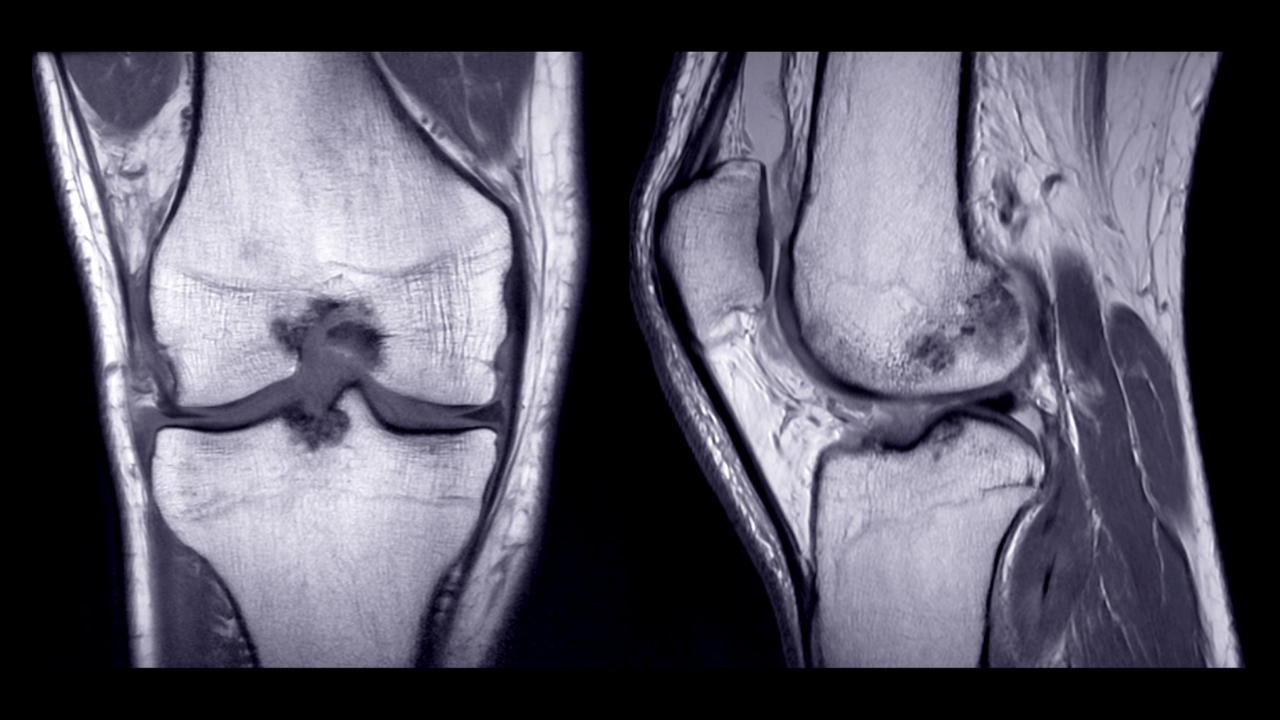
MRI is the most sensitive investigation for detecting meniscal tears because it allows direct visualisation of the cartilage structures within the knee. It can also identify associated findings such as ligament injury, cartilage damage or bone stress response.
However, MRI findings must always be interpreted alongside clinical examination. Many people have meniscal changes on scan that are not responsible for their symptoms.
Plain X-ray imaging may also be used to assess for underlying osteoarthritis or joint space narrowing, particularly in middle-aged or older individuals.
Injection Therapy for Meniscal Symptoms
Injection therapy may sometimes be considered when knee irritation is significantly limiting rehabilitation.
Corticosteroid injections can reduce inflammation within the joint and help calm swelling or pain. By lowering joint irritability, injections may create a window in which strengthening and movement retraining can progress more comfortably.
In some cases other injectable treatments may also be discussed depending on the overall condition of the knee joint.
The most appropriate option depends on your symptoms, the overall condition of the knee and your treatment goals.
When Is Surgery Considered?
Many meniscal tears improve with well-structured rehabilitation, particularly when symptoms relate more to joint irritation than to mechanical obstruction.
Surgical treatment may be considered when the knee experiences persistent mechanical symptoms such as locking, or when pain and swelling remain severe despite appropriate rehabilitation.
Modern arthroscopic procedures aim to preserve as much meniscal tissue as possible. In some cases the meniscus may be repaired, while in others a small unstable fragment may be removed.
The decision to pursue surgery is based on the combination of symptoms, clinical findings and imaging results. Find out more information about meniscal surgery here→
How We Manage Meniscal Injuries
Management of meniscal injuries focuses on restoring normal knee mechanics and improving the joint’s tolerance to load.
Early rehabilitation aims to settle joint irritation and restore comfortable movement. As symptoms improve, strengthening exercises are introduced to rebuild support around the knee.
Particular attention is given to quadriceps strength, calf complex strength, hip control and single-leg stability. Improving these factors allows the knee to distribute forces more effectively during walking, squatting and sporting activity.
Progression is guided by the knee’s response to load rather than arbitrary timelines, helping individuals return safely to work, exercise and sport.
Book a Specialist Knee Assessment at our Gosport, Clanfield or Emsworth Clinic
If you are experiencing ongoing knee pain that is affecting your function, appointments are available in our Gosport, Emsworth and Clanfield clinics. Book online or contact us→
Assessment focuses on accurate differentiation, clear explanation and stage-appropriate rehabilitation planning.
Book Your Knee Specialist Appointment online
Frequently Asked Questions About Meniscal Tears
How do I know if my knee pain is a meniscal tear?
Do meniscal tears always require surgery?
Can you walk on a meniscal tear?
Why does my knee sometimes click or catch?
Will a meniscal tear heal by itself?
Should I avoid exercise with a meniscal tear?
Meniscal tear rehabilitation forms part of our specialist knee service. You can explore our full knee specialist service here→
