
Specialist Physiotherapy For Tendinopathy
Book Your Specialist Appointment onlineTendon pain can be persistent, frustrating and often misunderstood. Whether affecting the hip, knee, shoulder, elbow, ankle or foot, tendinopathy requires a structured, evidence-based approach that focuses on restoring tendon capacity rather than simply settling inflammation.
At Solent Specialist Physiotherapy, we specialise in the assessment and rehabilitation of complex tendon conditions. Our clinicians work within defined areas of expertise, ensuring that each tendon problem is assessed and managed by a physiotherapist with in-depth knowledge of that joint and its loading patterns.
What is Tendinopathy?
Tendinopathy occurs when a tendon becomes painful and fails to recover properly from load. Instead of healing in an organised, resilient way, the tendon structure can become disrupted. This leads to reduced load tolerance, pain during activity and, in more persistent cases, ongoing stiffness or weakness.
Contrary to older beliefs, tendinopathy is not simply an inflammatory condition. While inflammation may play a role early on, most persistent tendon pain reflects changes in tendon structure and sensitivity. This is why rest alone rarely resolves the problem.

Why Tendons Become Painful
Tendons are designed to tolerate load. They become problematic when the balance between load and recovery is disrupted over time.
In many cases, symptoms develop following a change in activity — an increase in running mileage, a return to the gym, a new training block, or repetitive occupational tasks. However, it is rarely just “too much exercise.” Tendon pain often reflects a more subtle mismatch between the demands placed on the tissue and its current capacity to tolerate them.
Compression can also play an important role. Certain tendons — such as the gluteal or rotator cuff tendons — are vulnerable when repeatedly compressed against bone during specific positions or movements. Over time, this repeated compression alongside tensile load can increase tendon sensitivity.
Importantly, tendons can also become symptomatic when underloaded. Prolonged inactivity, deconditioning, or protective movement patterns may reduce tendon resilience, meaning even modest activity can then trigger pain.
Tendinopathy is therefore not simply an overuse problem. It is a load management problem. Successful rehabilitation focuses on restoring the tendon’s capacity through carefully graded mechanical stimulus, while temporarily reducing aggravating load and compression.
Why Generic Treatment Often Fails
Many people with tendinopathy have already tried multiple approaches before seeking specialist care. These may include periods of rest, stretching routines, massage, anti-inflammatory medication, or even injection therapy.
While some of these interventions can reduce symptoms in the short term, they do not address the underlying issue — the tendon’s reduced capacity to tolerate load. When pain settles without restoring strength and resilience, symptoms often return as soon as activity resumes.
Tendon rehabilitation requires more than symptom control. It requires an accurate diagnosis, an understanding of how load and compression are contributing to the problem, and a structured plan that progressively rebuilds tendon capacity over time.
Without this progression, recovery is often incomplete. The cycle becomes familiar: pain settles, activity increases, symptoms flare again.
Breaking that cycle depends on restoring load tolerance — not simply calming pain.
When to Seek Specialist Assessment
Tendon pain does not always settle with time alone. If symptoms have persisted for several weeks, repeatedly flare when you return to activity, or feel caught in a cycle of temporary improvement followed by recurrence, a more structured approach may be needed.
You may also benefit from specialist assessment if you have been told the problem is “just inflammation” yet it continues to return, or if you are unsure whether imaging or injection therapy would be appropriate in your situation.
When rehabilitation is guided early and progressively, recovery is often more efficient and the risk of long-term recurrence is reduced.
Our Specialist Approach
At Solent Specialist Physiotherapy, tendon rehabilitation is structured and progressive. Treatment plans are designed around the specific tendon involved, the stage of irritability, and your activity goals.
Management may include:
Targeted strengthening programmes tailored to the specific tendon and joint.
Load modification strategies to reduce excessive compression or overload while maintaining healthy movement.
Movement and biomechanical assessment to identify contributing patterns.
Structured return-to-sport or return-to-activity planning.
Imaging referral where appropriate to clarify diagnosis or guide management.
Injection therapy (where clinically appropriate) used as part of a broader rehabilitation strategy rather than as a standalone solution.
Our aim is long-term tendon resilience — not short-term symptom suppression.
Tendinopathy by Region
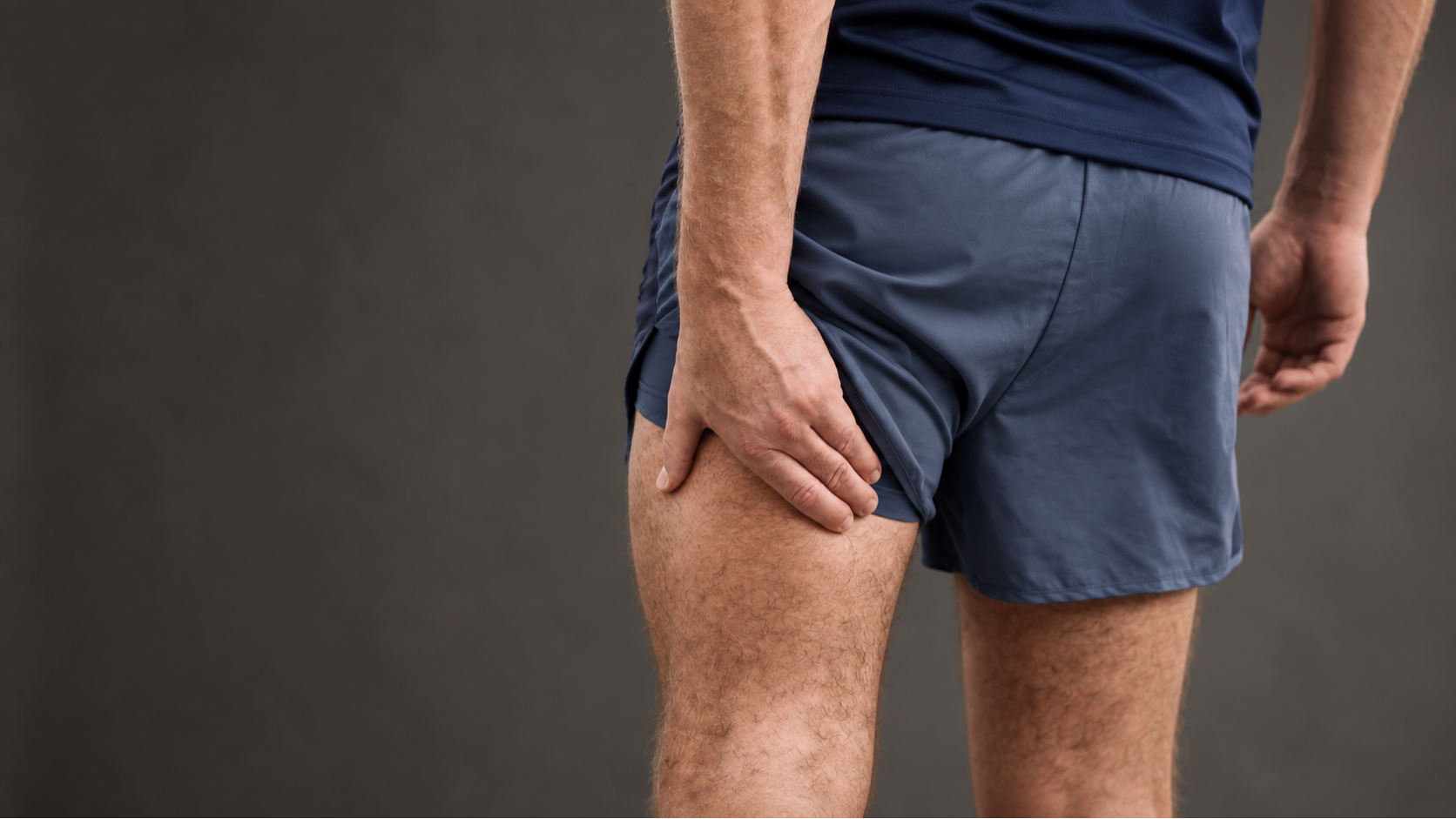
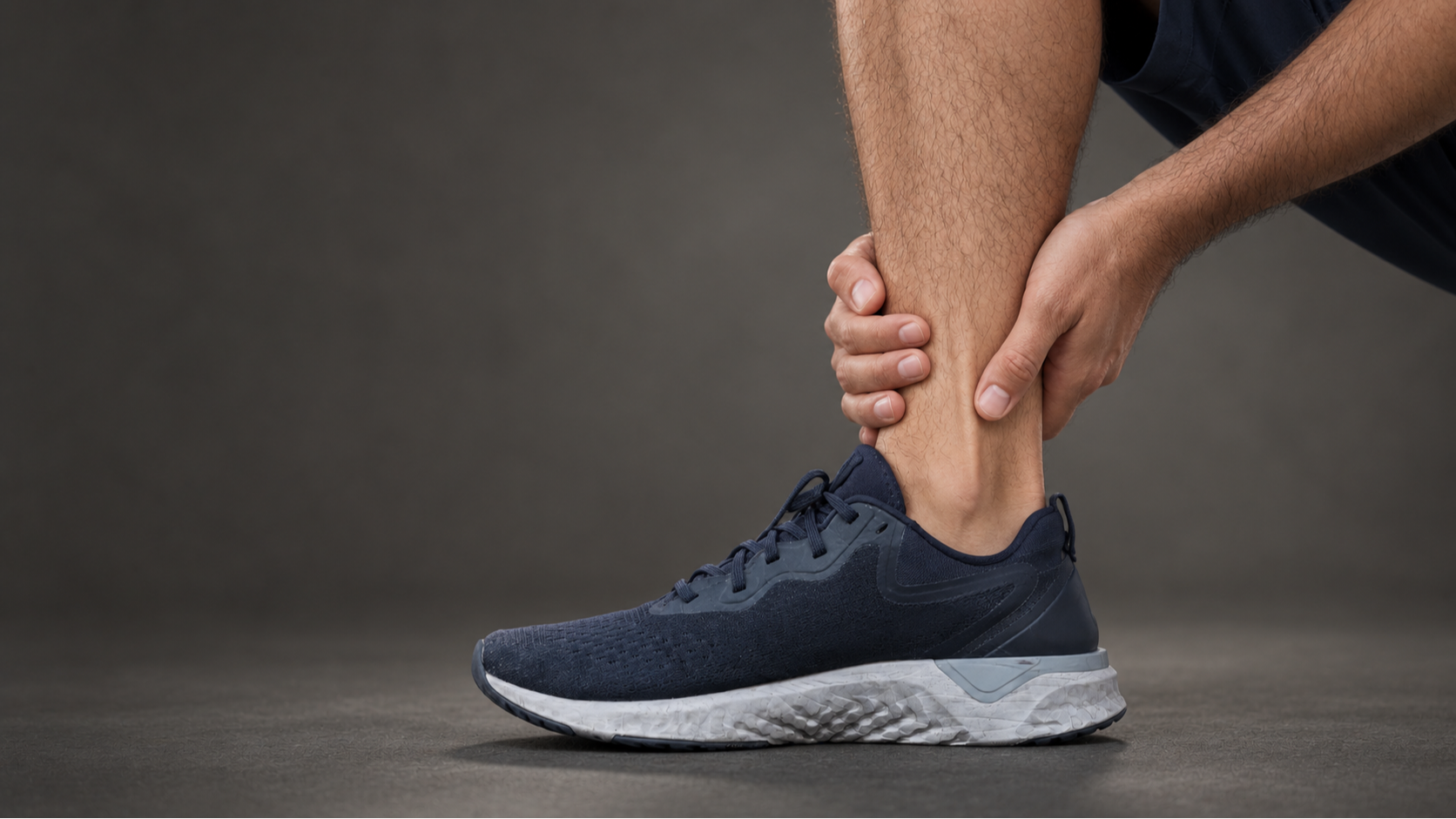
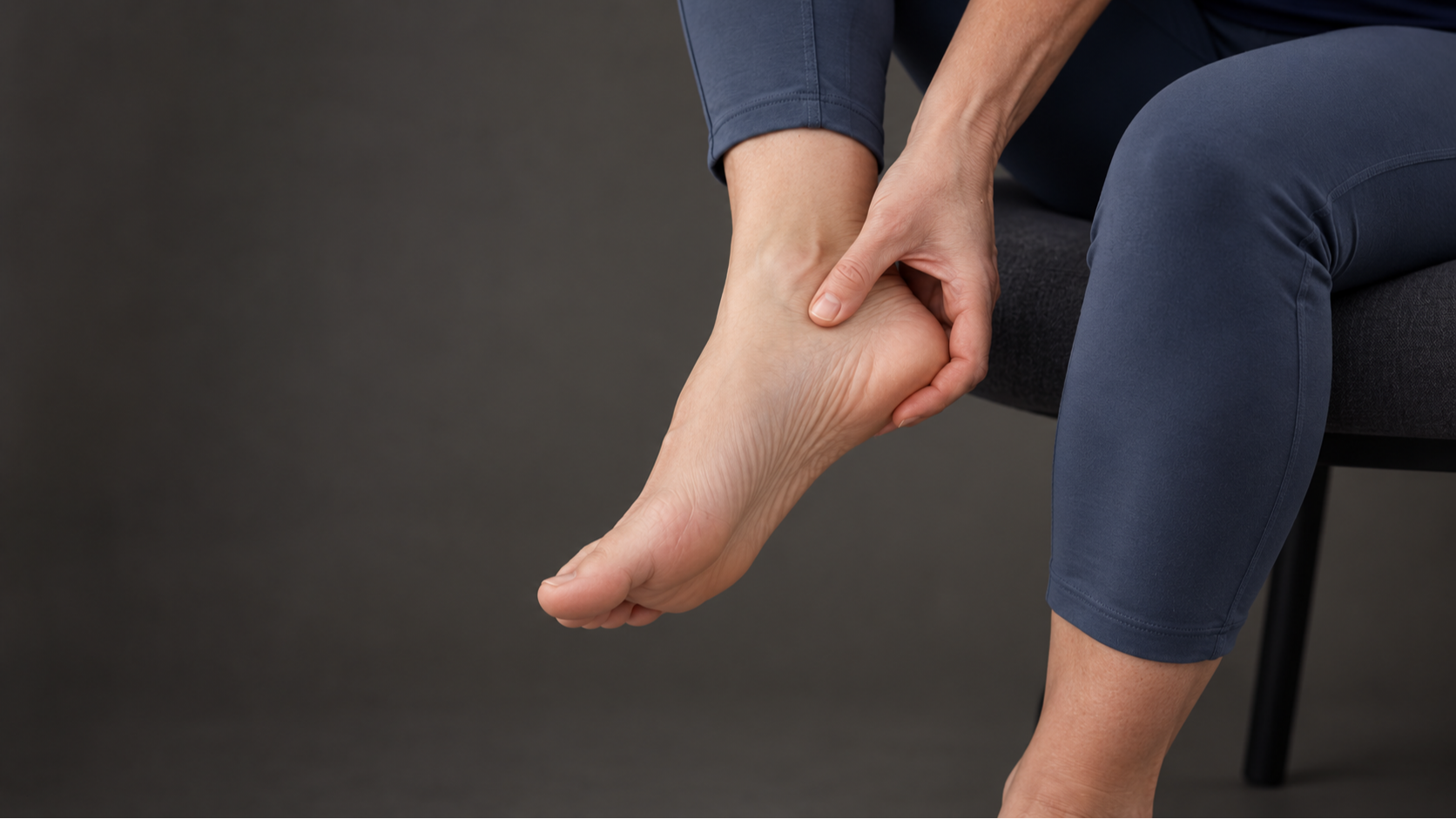
Tendinopathy can affect multiple areas of the body, particularly where repetitive load exceeds tissue capacity. While the underlying process follows similar principles, rehabilitation differs depending on the tendon involved, the mechanical demands placed upon it and the stage of presentation.
The images below link to detailed, condition-specific pages outlining symptom patterns, loading behaviour, imaging considerations and structured rehabilitation principles.
These represent the most commonly encountered tendinopathies within our specialist practice. If your tendon pain involves a region not shown here, structured load-based rehabilitation can still be provided in line with the same clinical principles.







Book a Specialist Tendon Assessment
Appointments are available across our specialist clinics in the Solent region. Each tendon condition is assessed and managed by a clinician with focused expertise in that specific joint and its loading patterns. Book online or contact us→
Book Your Specialist Appointment onlineStructured Support Beyond the Clinic
While face-to-face assessment remains the gold standard for persistent or complex tendon pain, we recognise that attending in person is not always possible. For individuals outside the Solent region — or for those who prefer guided structure between appointments — a comprehensive gluteal tendinopathy rehabilitation programme is available.
This programme reflects the same principles used within our clinic: clear explanation of compression and load behaviour, progressive strengthening based on tendon response and staged return to activity. It is designed for individuals with a confirmed diagnosis who want structured, evidence-based guidance grounded in specialist practice.
You can learn more about the gluteal tendinopathy programme here→
