
Specialist Physiotherapy for ACL Injuries
Call To ActionAnterior Cruciate Ligament (ACL) injury
An Anterior Cruciate Ligament (ACL) injury involves a sprain or tear to one of the key ligaments that stabilizes the knee joint. The ACL connects the thighbone (femur) to the shinbone (tibia) and is crucial for maintaining knee stability during activities that involve sudden stops, changes in direction, or jumping. Such injuries are prevalent in sports like rugby, netball, basketball, football, and skiing.
How ACL injuries are categorised:
ACL injuries are categorised based on their severity into three grades:
Grade 1: Mild Sprain
Description: The ligament has been slightly overstretched, leading to microscopic tears, but it remains intact and capable of stabilizing the knee joint.
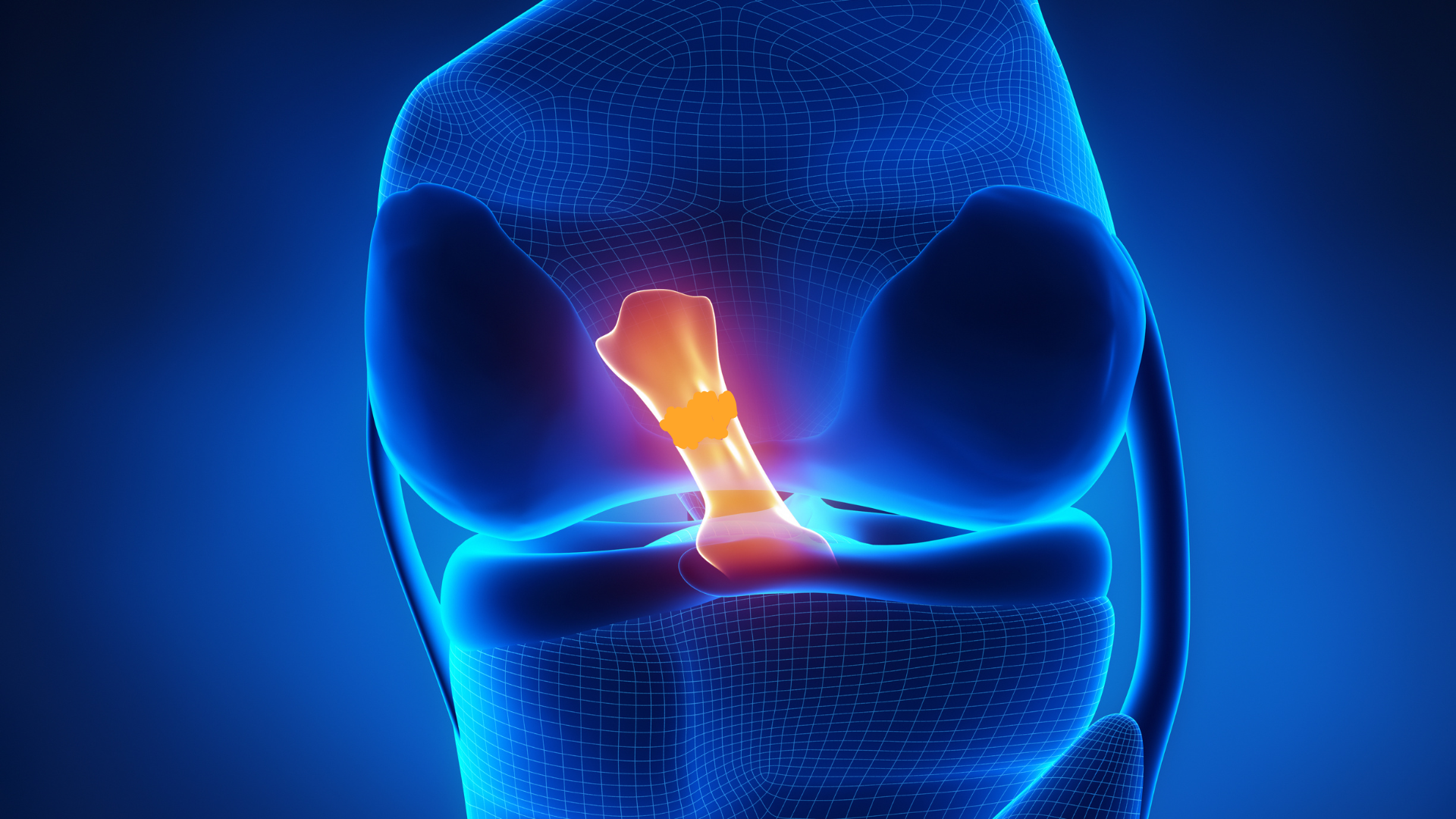
Grade 2: Moderate Sprain (Partial Tear)
Description: The ligament is stretched to the point of looseness, indicating a partial tear. This results in some instability of the knee.
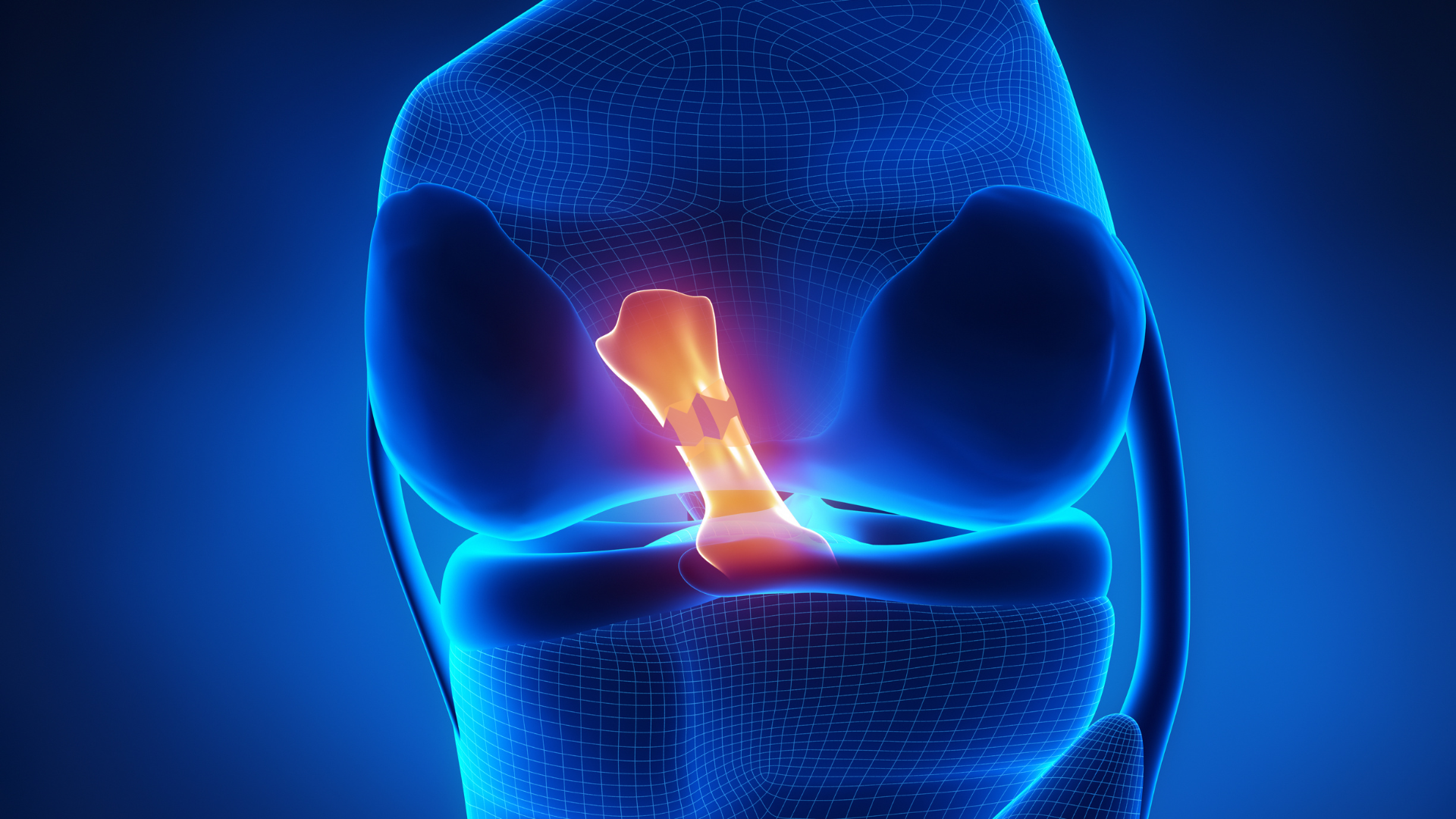
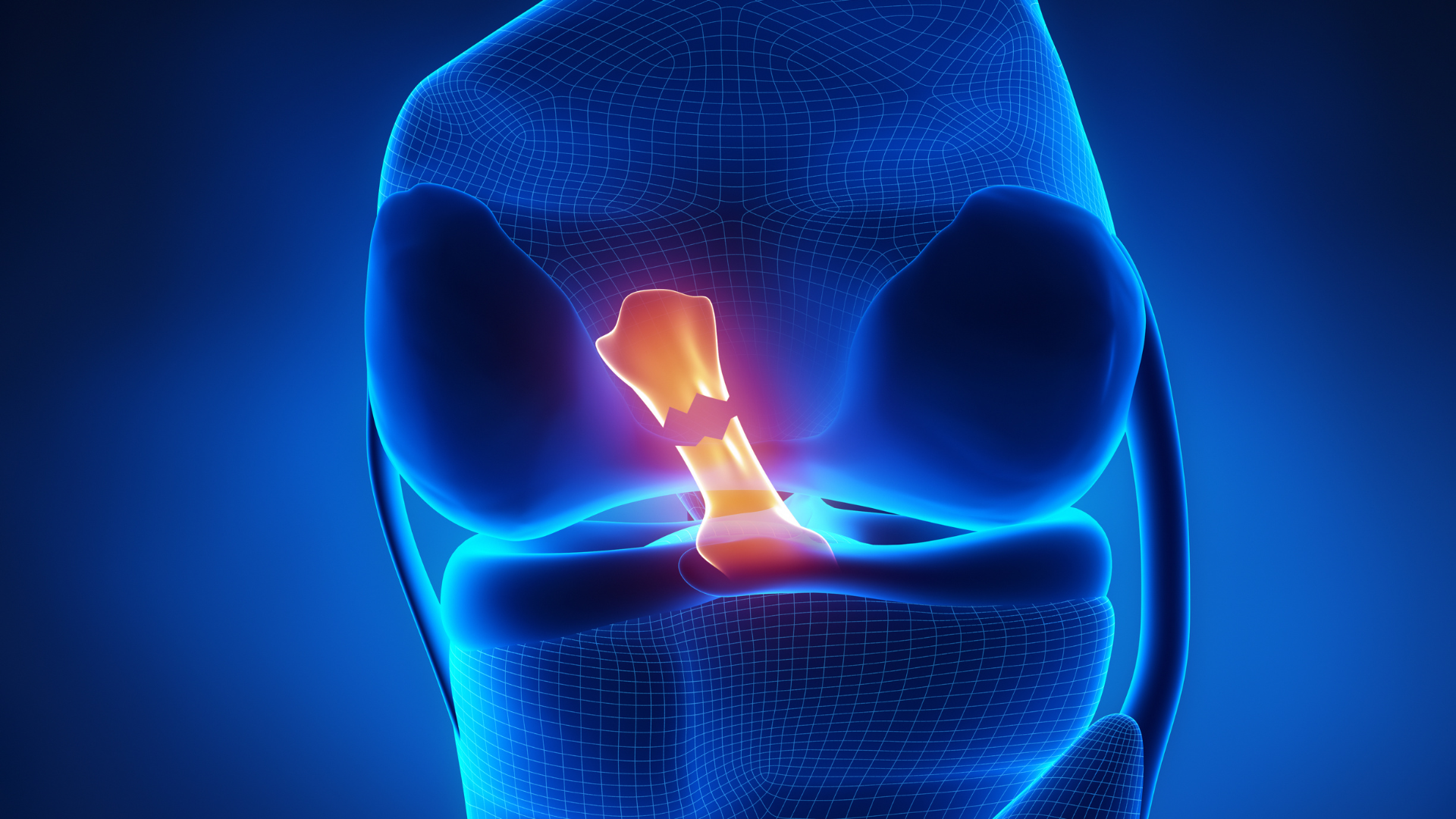
Grade 3: Severe Sprain (Complete Tear)
Description: The ligament has been split into two pieces or is completely torn, leading to significant instability in the knee joint.
In summary, an ACL sprain refers to a Grade 1 or Grade 2 injury, where the ligament has sustained mild to moderate damage but remains partially intact. An ACL tear typically denotes a Grade 3 injury, where the ligament is completely torn and cannot perform its stabilizing function.
Management Options for ACL Injuries:
Depending on the severity of the injury and individual needs, treatment may be either conservative or surgical. Conservative management focuses on reducing pain and swelling, restoring strength and stability through physiotherapy, and helping patients return to activity without surgery. For more severe tears or for individuals with high physical demands, surgical reconstruction may be recommended, followed by a structured rehabilitation program to ensure a full recovery and safe return to sport or daily activities.

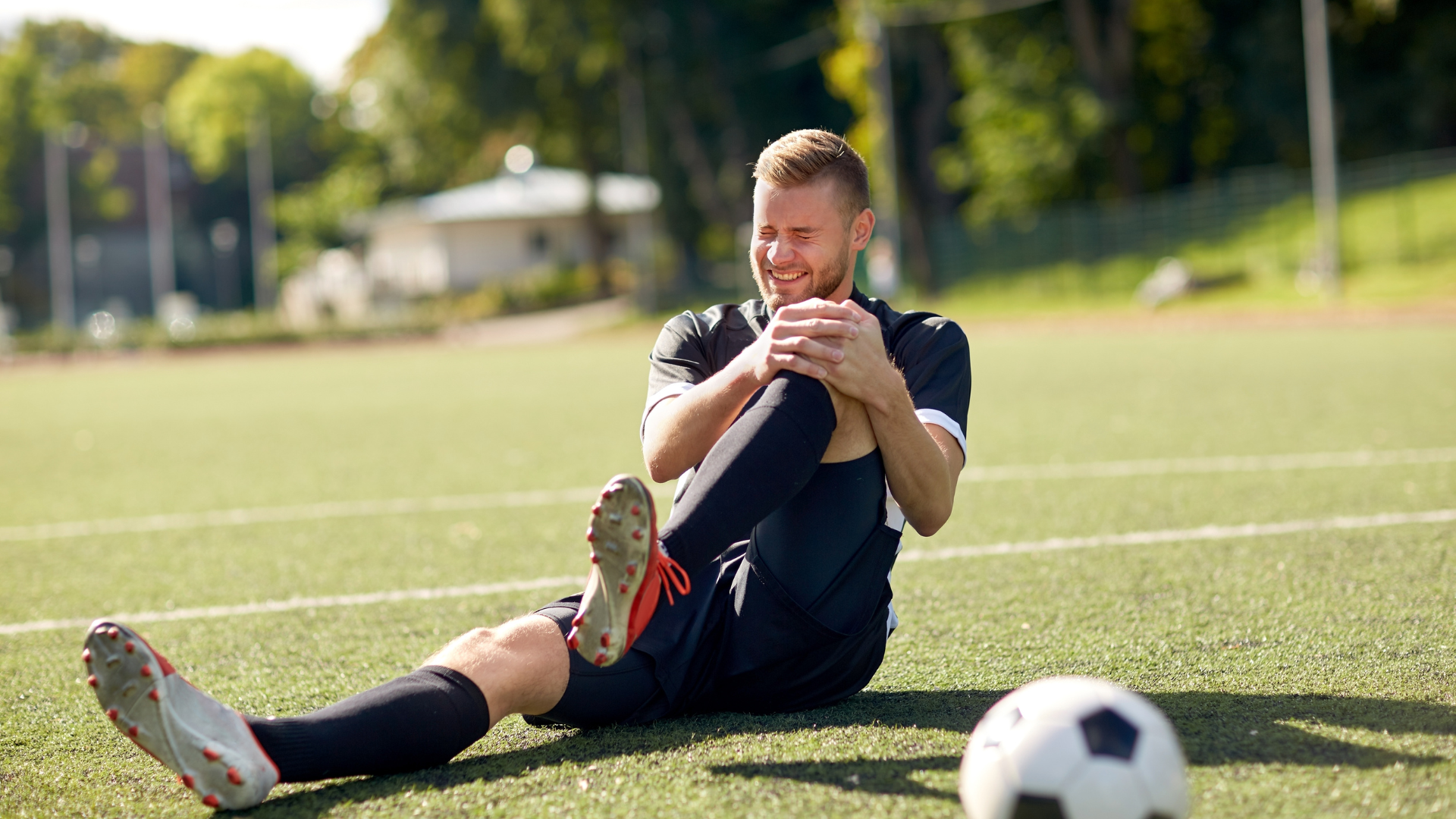
Symptoms of an ACL Injury:
- A loud "pop" sound or sensation in the knee.
- Severe pain and inability to continue activity.
- Rapid swelling.
- Loss of range of motion.
- A feeling of instability or the knee "giving way" when bearing weight.
If you experience any of these symptoms following a knee injury, it's essential to seek prompt medical evaluation to determine the severity and appropriate treatment.
Causes and Risk Factors:
ACL injuries often result from movements that place excessive stress on the knee, such as:
- Sudden deceleration and direction changes (cutting).
- Pivoting with a firmly planted foot.
- Landing awkwardly from a jump.
- Stopping suddenly.
- Direct impact or collision, such as a football tackle.
Certain factors may increase the risk of sustaining an ACL injury, including:
- Being female, possibly due to anatomical differences, muscle strength, and hormonal influences.
- Participating in higher-risk sports like football, rugby, netball, and skiing.
- Poor conditioning or inadequate neuromuscular control.
- Wearing poor footwear when playing sport.

The Role of Specialist Physiotherapy in ACL Rehabilitation
Engaging in a structured physiotherapy program is vital for effective recovery from an ACL injury. Our specialist physiotherapists offer tailored interventions that address your specific needs when recovering from an ACL injury. Key components of physiotherapy in ACL rehabilitation include:
- Pain and Swelling Management: Techniques such as ice therapy, compression, and elevation are employed to reduce discomfort and inflammation in the initial stages post-injury.
- Restoring Range of Motion: Gentle, progressive exercises are introduced to help regain full knee movement, preventing stiffness and promoting flexibility.
- Muscle Strengthening: Targeted exercises focus on strengthening the muscles around the knee, including the quadriceps and hamstrings, as well as the hips and core. This enhances joint stability and supports overall knee function.
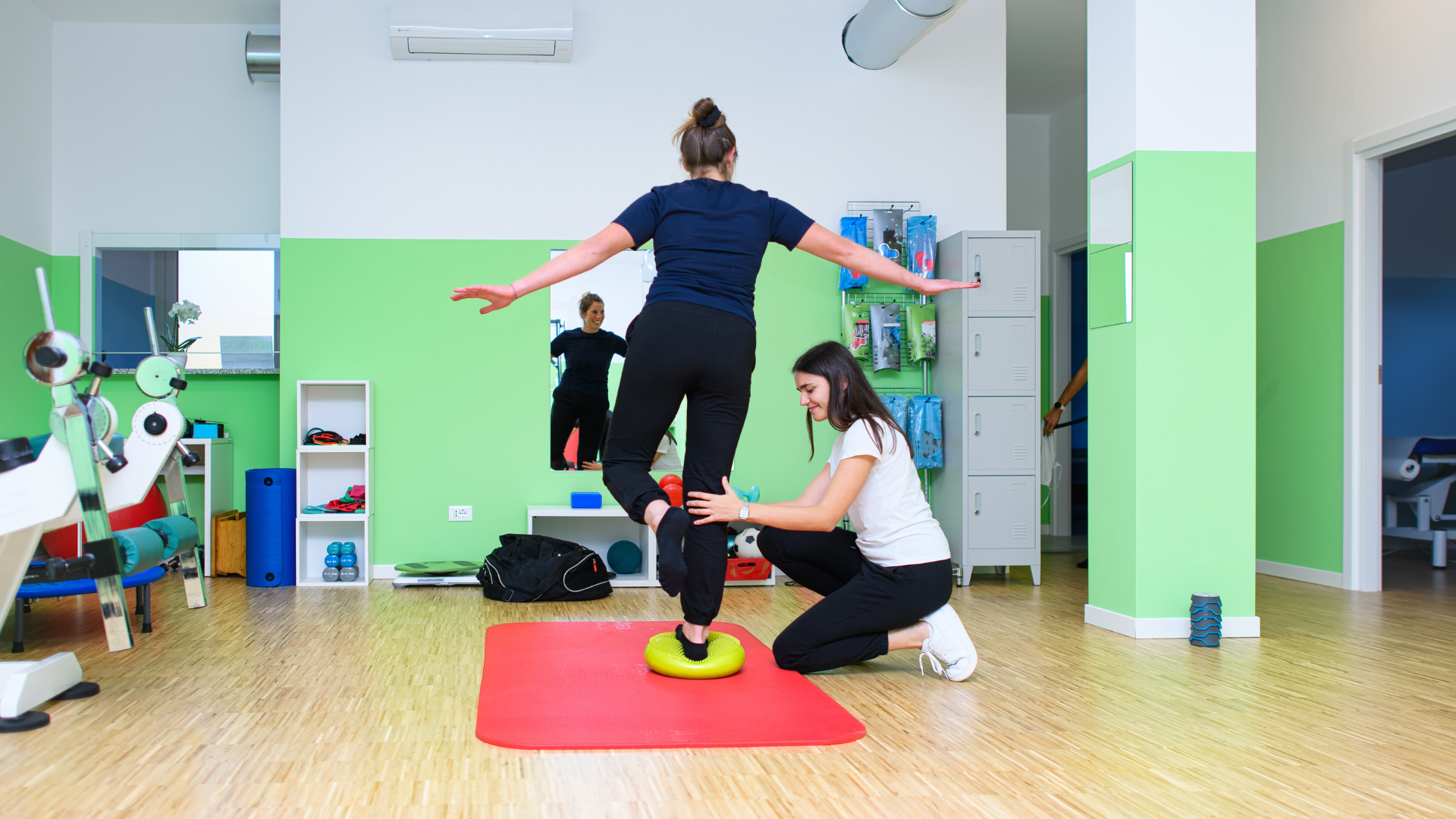
- Proprioception and Balance Training: Activities designed to improve the body's ability to sense joint position help in restoring balance and coordination, which are crucial for preventing re-injury.
- Functional and Sport-Specific Training: As recovery progresses, it's vital to incorporate exercises that mimic daily activities or specific sports movements. This prepares you for a safe return to your usual activities or athletic pursuits.
Research indicates that a comprehensive physiotherapy program can be effective in managing ACL injuries, potentially reducing the need for surgical intervention in certain cases. For individuals who undergo ACL reconstruction surgery, postoperative physiotherapy is essential to restore knee function, strength, and mobility. Collaborating our specialist physiotherapists ensures a personalized rehabilitation plan, optimizing recovery outcomes and facilitating a safe return to sport and daily activities.
Prevention Strategies
Preventing an ACL injury is always better than going through the long recovery process that follows one. That’s why having the right prevention strategies in place—like improving strength, stability, and movement patterns—is so important, especially for active individuals and athletes. At Solent Specialist Physiotherapy, we focus on helping you move well, stay strong, and reduce your risk of injury through expert-led assessment, tailored exercise programs, and one-on-one guidance designed to keep your knees protected and performing at their best. Key components include:
Strength Training: Developing robust muscles around the knee, particularly the quadriceps and hamstrings, provides essential support and reduces strain on the ACL. Incorporating exercises such as squats, lunges, and leg presses into your routine can significantly bolster knee stability.
Plyometric Exercises: Engaging in jump training enhances your body's ability to manage rapid movements and directional changes. Exercises like box jumps and bounding drills improve neuromuscular conditioning, preparing the knee to withstand dynamic forces.
Technique Optimization: Focusing on proper mechanics during activities—such as ensuring correct form when jumping, landing, and pivoting—minimizes undue stress on the knee joint. Regular practice under the guidance of a trained professional can help instill safe movement patterns.
Balance and Proprioception: Incorporating balance exercises, like single-leg stands and stability ball drills, enhances proprioception and coordination. Improved balance reduces the risk of falls and missteps that could lead to injury.
By integrating these elements into your training regimen, you can effectively strengthen the supportive structures around the knee, refine movement mechanics, and significantly reduce the risk of ACL injuries.
