Dry Needling and Acupuncture
Book Your AppointmentFocused Dry Needling & Acupuncture for Effective Pain Relief and Faster Recovery
At Solent Specialist Physiotherapy, we have a number of specialist physiotherapists who use both dry needling and acupuncture as part of evidence-based treatment plans to help reduce pain, ease muscle tension, and promote faster recovery from injury or surgery. Both techniques use fine, sterile needles, but they are applied in slightly different ways depending on your condition and treatment goals.
Book your appointmentHow It Helps You Recover
Dry needling and acupuncture can play a powerful role in recovery by:
-
Reducing pain and muscle spasm
-
Improving flexibility and movement
-
Enhancing blood flow to promote healing
-
Reducing stiffness after injury or surgery
-
Helping you progress more comfortably through rehabilitation exercises
Whether you’re recovering from surgery, managing a long-standing injury, or dealing with everyday muscle pain, these techniques can be valuable tools in your treatment plan.
Performed by Experienced Clinicians
All dry needling and acupuncture treatments at Solent Specialist Physiotherapy are performed by specialist physiotherapists with advanced training and over 15 years of clinical experience. Your safety, comfort, and recovery are always our priority.
Experience the benefits of dry needling and acupuncture.
Book your appointment today and take a step toward reduced pain, improved movement, and a faster recovery.
What Is Dry Needling?
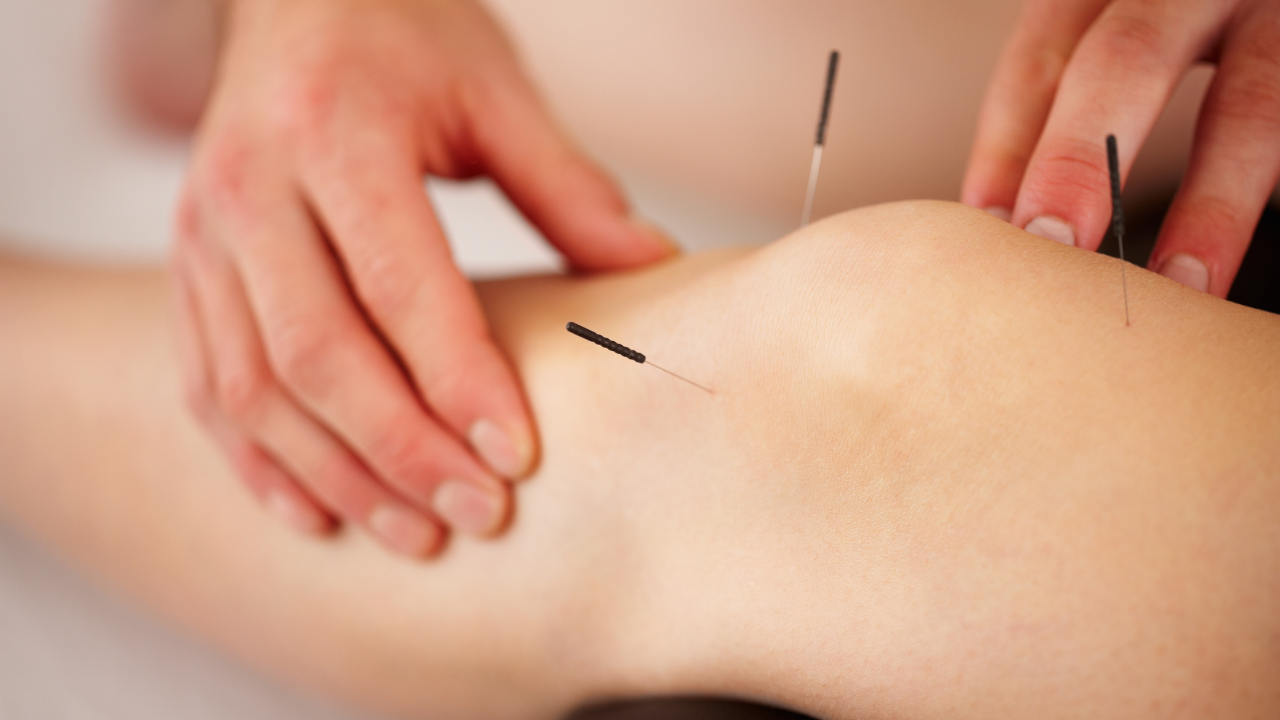
Dry needling is a modern, evidence-based technique used by physiotherapists to treat muscle tightness, pain, and trigger points (commonly known as “knots”). Very fine needles are inserted directly into the affected muscle to help release tension, improve blood flow, and reduce pain.
It is called dry needling because no substances or medications are injected — the therapeutic effect comes purely from the needle’s mechanical stimulation of the muscle and nerve fibres.
Dry needling can be particularly effective for:
-
Muscle tension and stiffness
-
Chronic pain conditions
-
Sports injuries and overuse pain
-
Headaches and neck tension
-
Postural muscle strain
-
Post-operative recovery, where muscles have become tight or inhibited after surgery
The result is often a feeling of looseness, improved movement, and reduced pain — helping you return to activity and rehabilitation exercises more comfortably and quickly.
Book your appoinment
What Is Acupuncture?
Acupuncture is a technique that originated in traditional Chinese medicine but is now also used in Western healthcare to help manage pain and promote natural healing. It involves inserting very fine needles into specific points on the body to stimulate the nervous system, improve circulation, and encourage the release of the body’s natural pain-relieving chemicals (endorphins).
In physiotherapy practice, acupuncture is often used to:
- Reduce pain and inflammation
- Promote relaxation and wellbeing
- Support healing after injury or surgery
- Help with chronic pain conditions, such as arthritis or back pain
Many patients describe feeling relaxed, lighter, or less tense after a session, and it can be a valuable addition to a broader physiotherapy plan.
The Difference Between Dry Needling and Traditional Acupuncture
Although both techniques use fine needles, their principles and applications differ slightly:
| Dry Needling | Acupuncture |
|---|---|
| Based on Western medicine and anatomy | Originates from traditional Chinese medicine |
| Targets specific muscles and trigger points to relieve tightness and spasm | Targets specific acupuncture points along energy pathways (“meridians”) |
| Focuses on muscle release and restoring normal movement | Focuses on balancing the body’s energy and promoting overall wellbeing |
| Often used for localised pain or stiffness | Often used for systemic or chronic conditions |
In practice, physiotherapists often blend aspects of both approaches to suit each individual — always based on current research, safety, and clinical reasoning.