
Femoroacetabular Impingement Syndrome (FAIS)
Specialist Hip Assessment and Rehabilitation in Gosport
Book a hip specialist appointment with Victoria Smith onlineFemoroacetabular impingement syndrome (FAIS) is frequently diagnosed, but far less frequently understood in depth. FAIS forms a significant proportion of the complex hip presentations seen by Victoria Smith within our Gosport clinic.
Many people are told they have a cam lesion, a pincer shape or a labral tear, yet are left unclear about what that actually means for their hip, their activity and their future. The language can feel structural and definitive, creating the impression that something is permanently damaged or inevitably deteriorating.
In reality, FAIS is not simply about joint shape. It is about how that shape interacts with movement, muscular control and load.
At Solent Specialist Physiotherapy in Gosport, FAIS is approached as a mechanical and neuromuscular condition rather than a label taken from a scan. Structural variations such as cam or pincer morphology are common, particularly in active adults. What determines symptoms is how the hip behaves when it bends, rotates, stabilises and absorbs force.
Understanding that interaction is central to effective management.
Our assessment process looks beyond imaging findings to examine irritability, movement precision, neuromuscular coordination and the balance of muscular support around the joint. We take time to explain what is happening, review imaging where appropriate and build a structured plan tailored to your presentation and goals.
This is not generic hip strengthening.
It is detailed, stage-appropriate hip rehabilitation informed by experience, surgical collaboration and long-term outcome thinking.
When you understand what is happening inside your hip, decisions become clearer and recovery becomes purposeful rather than uncertain.
What Is Actually Happening in FAIS?
The hip is a ball-and-socket joint. The ball is the top of the thigh bone. The socket is part of the pelvis.
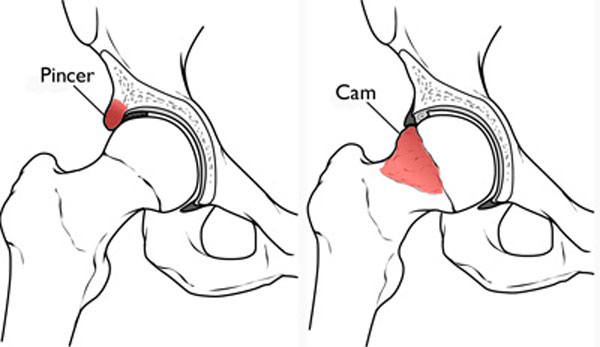
In some people, the shape of the ball or the socket is slightly different. These differences are often described on scans using terms like “cam” or “pincer.”
A cam shape means the ball is not perfectly round at its edge.
A pincer shape means the socket covers slightly more of the ball than average.
These are simply shape variations. Many people have them and never develop symptoms.
The labrum is a ring of firm cartilage around the edge of the socket. It acts like a seal and helps stabilise the joint. When a scan mentions a “labral tear,” it means this ring shows a split or fraying on imaging. Importantly, labral changes are common and are not always the cause of pain.
Now imagine bending your hip deeply — bringing your knee towards your chest, tying your shoes or sitting in a low chair. This movement is called flexion. As the hip flexes, the front of the ball moves closer to the edge of the socket.
If the hip is sensitive, or if surrounding muscles are not controlling movement well, the contact at the front of the joint becomes more concentrated. The labrum and surrounding tissues can be repeatedly compressed.
That compression can feel like a sharp pinch in the groin.
Or a deep ache after sitting.
Or stiffness when standing up.
When rotation is added — twisting to get out of a car or pivoting in sport — the contact increases further. If strength and control around the hip are reduced, more stress is absorbed at the front of the joint.
This is what people often feel as “impingement.”
It is not the bones grinding.
It is repeated mechanical stress in a sensitive joint.
What Rehabilitation Actually Targets
FAIS is not simply a strength problem.
It is often a control and load-distribution problem.
Around the hip sits a layered system of muscles. The deeper stabilising muscles guide precise joint motion. The larger global muscles generate force. When this system is balanced, the ball moves smoothly within the socket and load is distributed evenly.
When deep stabilisers are delayed or inhibited — often due to pain or guarding — larger muscles compensate. Movement becomes slightly less precise. Subtle shifts in control can increase stress at the front of the joint.
This does not happen dramatically. It happens gradually.
Rehabilitation focuses on restoring that layered coordination.
We work on improving neuromuscular control — how the brain communicates with the hip under load. We refine single-leg balance and proprioception, which is the body’s awareness of joint position. We reduce unnecessary muscular guarding that often develops around painful joints.
As coordination improves, compression at the front of the hip reduces. As precision improves, sensitivity reduces.
Strength matters — but only as part of a balanced system.
Mechanical Irritability — Why Some Days Are Worse
Some hips are highly irritable. A small increase in training volume or a long drive can provoke symptoms that linger.
Others are less reactive but consistently uncomfortable in specific positions.
This difference is not visible on a scan. It is seen in how the hip behaves.
Irritability reflects how sensitive the joint has become to load. When a hip is irritable, it does not take much to provoke symptoms, and recovery can feel slow or unpredictable. Pain may escalate quickly and take several days to settle. This often creates anxiety, as it can feel disproportionate to the activity performed.
In contrast, a less irritable hip may tolerate high levels of activity but repeatedly struggle at end-range flexion or combined flexion and rotation. The symptoms are more mechanical and position-specific rather than reactive to overall volume.
Understanding which pattern you fall into is critical.
An irritable hip requires careful load modulation and graded exposure. A mechanically restricted hip requires refinement of movement precision and balanced muscular contribution. Treating both presentations the same way risks either under-loading a hip that needs strengthening or over-loading one that needs settling first.
Not all groin pain originates solely from inside the hip joint. In some individuals, altered joint mechanics increase tensile demand through the adductor tendon at its pubic attachment. When this occurs, symptoms may reflect a combination of intra-articular irritation and adductor tendinopathy. You can read more about our approach to adductor tendon rehabilitation here→
Assessment in our Gosport clinic focuses on how your hip responds to movement and load over time — not just in a single test. We examine single-leg control, pelvic stability, rotational capacity and the coordination of the deep stabilising muscles because subtle deficits here often increase stress at the front of the joint. We also look at how quickly symptoms build and how long they take to settle, as this tells us far more than imaging alone.
Rehabilitation is then tailored to your specific mechanical and irritability pattern — not based solely on your diagnosis.
Imaging — When Is It Needed?
In most cases, we can make a clear clinical diagnosis of suspected FAIS based on your symptoms, movement testing and how the hip responds during examination.
There are specific patterns of groin pain, restriction and provocation tests that strongly suggest femoroacetabular impingement. When these findings align, it is entirely appropriate to begin treatment without immediate imaging.
Initial management focuses on settling irritability, improving neuromuscular control around the hip and restoring balanced muscular support. If symptoms improve and function returns, imaging may not be required.
If symptoms fail to progress as expected, if mechanical symptoms remain significant, or if surgical opinion is being considered, imaging becomes appropriate.
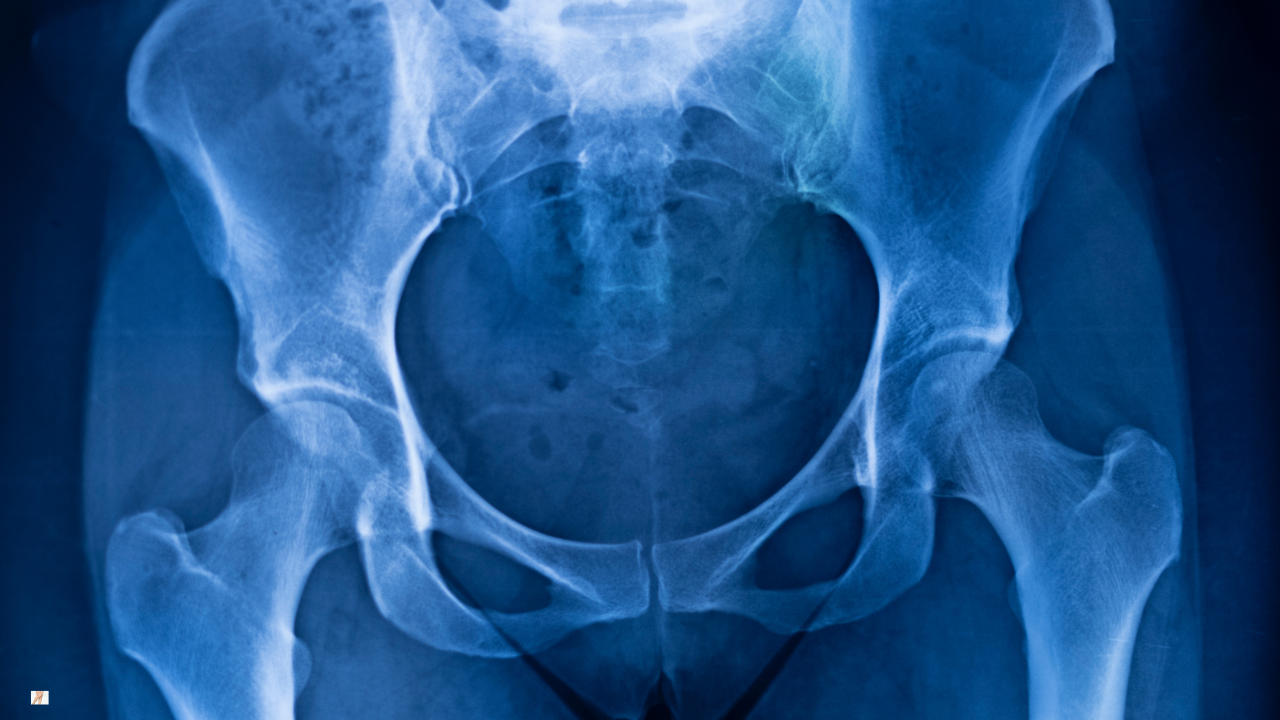
An X-ray is usually the first step. It allows us to assess joint shape and identify cam or pincer morphology. MRI may be recommended in selected cases to evaluate the labrum, cartilage or other structures if symptoms persist or if further detail is needed.
Imaging is used to support decision-making — not to create alarm. Results are interpreted within the clinical context and explained clearly, so you understand what is relevant and what may simply be part of normal anatomical variation.
If you are unsure whether imaging is necessary in your case, we can advise following a detailed clinical assessment.
Injection Therapy — Where It Fits
In selected cases, a hip joint injection can be extremely helpful.
One of its roles is diagnostic. If an injection placed into the hip joint significantly reduces symptoms, it confirms that the primary source of pain is intra-articular. That information can be valuable when symptoms are complex or when surgical decision-making is being considered.
However, injections can also have therapeutic value.
When a hip has become highly irritable, pain itself can drive guarding, reduced neuromuscular control and protective movement patterns. In these situations, an injection can calm sensitivity enough to allow more normal movement to resume. This reduction in pain can create an opportunity to restore balanced muscle activation and progress rehabilitation more effectively.
In other words, the injection does not “fix” the shape of the joint — but it can reduce the pain that is preventing the joint from functioning well.
Used appropriately, this window can be powerful.
Injection is not a standalone treatment. Without structured rehabilitation to address control, load tolerance and coordination, symptoms often return once the effect wears off. When combined with targeted rehabilitation, however, it can accelerate progress and improve confidence in movement.
Decisions around injection are made carefully, based on symptom behaviour, response to rehabilitation and overall goals.
When Surgery Is Considered
Most people with FAIS do not need immediate surgery.
The decision to pursue hip arthroscopy is based on the pattern and persistence of symptoms, not simply the presence of cam or pincer morphology on imaging.
Surgery is usually considered when mechanical symptoms remain significant despite well-structured rehabilitation. This may include persistent groin pain with flexion and rotation, repeated mechanical catching, or a clear ceiling in function that does not improve as neuromuscular control and load tolerance increase.
The key question is not “Is there a cam lesion?”
It is “Has the hip reached a plateau despite appropriate management?”
If symptoms settle with improved muscular coordination and balanced loading, surgery is unnecessary. If irritability reduces but a consistent mechanical block remains — particularly in individuals wishing to return to high-level sport — surgical reshaping of the joint may be appropriate.
Hip arthroscopy typically involves addressing cam or pincer morphology and repairing or stabilising the labrum where indicated. The aim is to reduce abnormal contact within the joint and improve mechanical clearance during movement.
Importantly, surgery does not replace rehabilitation. It changes the mechanical environment within which rehabilitation takes place.
Rehabilitation protocols used within our Gosport clinic were developed in collaboration with a specialist hip surgeon. Progression is aligned with surgical findings, tissue healing timelines and objective strength and control milestones.
Whether surgery is undertaken or not, the principles remain the same: restore precise movement, improve load tolerance and build long-term joint resilience.
The decision is always shared, informed and individual.
If surgery is undertaken, rehabilitation following hip arthroscopy becomes central to long-term outcome. You can read more about our specialist post hip arthroscopy rehabilitation pathway here→
Flare-Ups — What Is Actually Happening?
Many people with FAIS describe periods where the hip suddenly feels sharper, tighter or more restricted. It may happen after a long drive, a heavy gym session, a return to running, or even after an otherwise normal week.
This is a flare.
A flare does not usually mean something has torn or worsened structurally. It reflects a temporary increase in joint sensitivity.
When the hip is repeatedly bent deeply — bringing the knee towards the chest, sitting for long periods, squatting low — and especially when that bending is combined with twisting or turning, the tissues at the front of the joint can become more reactive. If the muscles around the hip are not yet controlling movement precisely, more pressure is absorbed at the front of the socket.
The body responds by increasing protective muscle activity around the joint. This protective tightening, often called guarding, can make the hip feel stiff, blocked or unstable.
During a flare, deep bending may feel tighter. Twisting movements may feel sharper. Sitting tolerance may reduce. Movements that were previously manageable can suddenly feel uncomfortable.
Importantly, this is a sensitivity response — not necessarily structural progression.
Understanding this distinction changes how flares are managed.
Complete rest often prolongs stiffness and reinforces guarding. Pushing aggressively through pain can increase irritability further. The correct approach usually lies between these extremes: temporarily reducing positions that repeatedly compress the front of the hip while maintaining controlled, comfortable movement.
As sensitivity settles, movement precision is restored and load is gradually reintroduced.
Patients who understand their flare pattern tend to recover faster because they do not interpret symptom fluctuation as damage. They see it as feedback — information about tolerance — and adjust accordingly.
Over time, as coordination improves and the hip becomes better supported by balanced muscle activity, flares become less frequent and less intense.
That progression is measurable.
Final Thoughts
FAIS can feel confusing and at times frustrating. The terminology is technical, the scan findings can sound alarming and symptoms can fluctuate.
But when the mechanics are understood, the pathway becomes clearer.
The majority of individuals improve with the right combination of explanation, structured rehabilitation and carefully graded load progression. When surgery is appropriate, it is undertaken within a thoughtful, integrated framework.
The objective is not simply to reduce pain.
It is to restore confidence in how your hip moves.
Book your specialist FAIS assessment
If you’re struggling with persistent groin or hip pain, have been told you have a cam or pincer morphology, or are unsure whether your symptoms fit with FAIS, you can book directly with Victoria Smith at our Gosport clinic.
Book a Hip Specialist Appointment Online →
Self-funding appointments can be booked online. If you have WPA insurance, please contact us before booking.
Victoria’s specialist hip clinic runs on Wednesdays and appointments may book several weeks in advance. If no appointments are showing online, please contact us as additional availability may sometimes be possible.
FAIS rehabilitation forms part of our specialist hip service. You can explore our full hip rehabilitation pathway here→
